

ENT Billing as Clinical Precision beyond the Scope
Your hands are trained for precision. Your billing should be, too. Let’s understand the complexity of ENT Billing and its solutions.
Introduction to ENT Billing
From microscopic ear surgery to complex skull base resections, from allergy immunotherapy to hearing rehabilitation, ENT services span medical, surgical, and diagnostic domains. Each domain has distinct coding rules, global periods and payer expectations. A single visit may include nasal endoscopy (31231), turbinate reduction (30801), and allergy testing (95024)—requiring correct modifier use (59, XS) to bypass bundling edits. Inaccurate coding doesn’t just delay payment, it undermines the expertise behind every diagnosis, every incision, every tuning of a cochlear implant. At UprisenRCM, we treat ENT billing as an extension of clinical excellence, where every code honors the complexity of the care and every claim defends the integrity of the specialty.
How ENT Billing Is Different and Demands Specialization?
ENT billing is uniquely complex because anatomy, laterality, and surgical approach dictate reimbursement not just the procedure name. It needs a thorough awareness of medical terminology, coding requirements, and documentation standards to correctly code and bill ENT services. The coders need to understand that Laterality matters, Global periods vary, Bundling is pervasive, Allergy coding is tiered and Hearing services straddle medical and retail. It is essential to comprehend the particular billing and coding guidelines for ENT to guarantee correct reimbursement. Without ENT-specific expertise, even experienced coders miss these layers, leading to denials, compliance risk and revenue leakage.
Common Challenges in ENT Billing Services
ENT billing presents several persistent challenges that can significantly impact practice revenue and operational efficiency. One of the most common issues is frequent insurance denials and delays in prior authorization. These are often caused by incomplete documentation, incorrect coding or failure to secure required pre-approvals before procedures. These denials lead to delayed reimbursements, increased administrative workload and potential revenue loss. Another major hurdle is the complexity of CPT code selection. ENT procedures involve highly specific coding rules, and even minor errors can result in underpayment, claim rejections or audit risks. To mitigate these challenges, practices benefit from investing in staff coding education, adopting AI-assisted billing tools, streamlining prior authorization workflows and implementing transparent patient financial counseling and flexible payment options.

How to Overcome ENT Billing Challenges?
Success starts with structured documentation and proactive systems. When accuracy is designed in denials drop, revenue stabilizes, and clinicians focus on care, not corrections. The ways include;
Use EHR templates that prompt laterality, size, and medical. Ensure thorough patient data capture. Implement real-time coding alerts for NCCI conflicts. Conduct monthly coder-clinician huddles to review top denials and refine workflows. Train front desk staff on ABN collection for hearing aids, cosmetic procedures and non-covered allergy drops. Leverage ENT-specific billing software that auto-applies modifiers, tracks global days and flags high-risk combinations. Staying updated on technological advancements.
Services We Support in ENT Billing
We support a comprehensive range of ENT services. On the diagnostic side, we accurately code nasal endoscopy, comprehensive audiometry and allergy testing, ensuring each reflects the exact scope and laterality of the service.
For surgical interventions, we differentiate codes based on procedure type, approach, and anatomical specificity. We deal with adenoidectomy, endoscopic sinus surgery, myringotomy with tube insertion and combined functional procedures.
Medical and therapeutic services include manual cerumen removal (69210), allergy immunotherapy (95115 for single injection, 95117 for multiple, 95144–95170 for antigen preparation), and sleep apnea diagnostics (95806 for home study). We code to reflect clinical intent and billing rules. Rehabilitative care, such as auditory and vestibular rehab is supported with appropriate linkage to therapy goals.
ENT Billing Process by UprisenRCM
At UprisenRCM, our ENT-specific billing process is designed for accuracy, compliance, and maximum revenue capture. It begins with front-end verification, where we confirm insurance eligibility, benefits and prior authorization requirements in real time. It also involves proactively identifying potential coverage gaps or non-covered services and securing signed ABNs when needed. Our team ensures clinical-coding alignment and our certified coders assign precise CPT codes, including essential modifiers and accurate ICD-10 codes.
Claims undergo automated and manual scrubbing before submission, checking for coding conflicts, bundling edits and documentation completeness. Once submitted, we monitor claims in real time via a denial prevention dashboard, intervening rejected claims with targeted appeals backed by clinical notes and payer-specific policies. We provide transparent cost estimates upfront and offer flexible payment options to reduce A/R aging. We conduct periodic revenue cycle audits to identify trends and refine workflows accordingly. The result is a lean, responsive billing process that minimizes delays, maximizes clean claim rates, and lets ENT providers focus on patient care.
Compliance Standards in ENT Billing
To minimize risks and maintain ethical practice, ENT billing must adhere strictly to compliance standards. Our team monitors the latest legislative changes to maintain income integrity and protect against audits and fines. We provide:
- Accurate and comprehensive documentation
- HIPAA-HITECH compliance for patient data security
- MACRA compliance to enhance service standards
- CMS adherence to appropriate billing and reporting procedures
- Staff training to ensure proficiency in coding and regulatory requirements
- Leveraging technology for streamlined workflows, automatic updates, and error prevention
Requirements for ENT Billing
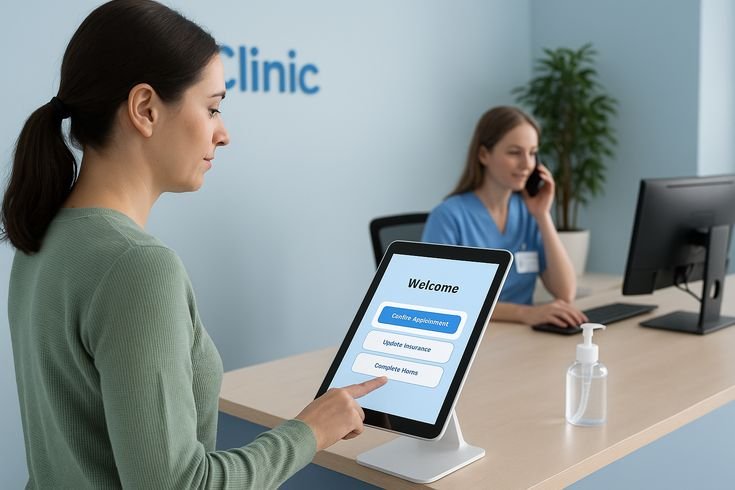
To ensure clean claims and minimize denials, we require precise, clinically anchored documentation and no extra forms, just clear, essential details embedded where they matter the most. CPT codes need to use correctly for performed procedures. ICD-10 codes are important for precise diagnoses. Comprehensive procedure notes and patient demographics are also very important. Verification of insurance benefits and pre-authorizations is mandatory. Compliance and Regulatory Adherence reduce denials. Accuracy, specificity, and clinical truth, written concisely in the note, are all we need to support compliant, efficient billing. Advantages of Outsourcing ENT Billing Services to UprisenRCM
By choosing UprisenRCM for your ENT billing needs, you can focus on providing exceptional patient care while we take care of optimizing your financial health and ensuring seamless revenue management. Outsourcing your ENT billing to our specialized team offers numerous benefits, including:
- Revenue optimization
- Enhanced practice efficiency
- Error reduction
- Compliance assurance
- Expert guidance
- Seamless EHR integration
Services Category
Introduction to ENT Billing
Why Choose Us for ENT Billing?
Choosing UprisenRCM for ENT billing means partnering with a team that combines deep clinical understanding with revenue cycle expertise. We specialize in the anatomical complexity, and payer scrutiny inherent to ENT. Our coders and billers are certified in ENT-specific CPT/ICD-10 conventions and stay current with annual updates. We prioritize clean claims on the first pass and consistently achieve first-pass acceptance rates above 95%. Beyond accuracy, we deliver measurable financial impact, reducing denial rates by 40–60%, shortening days in A/R, and increasing net collections through proactive follow-up and data-driven appeal strategies. We believe transparency builds trust, so we provide monthly performance dashboards with actionable insights. In short: we don’t just process claims, we protect your practice’s clinical integrity and financial health.